
How to compost meat
- Sustainable Matamata

- Jan 8
- 2 min read
We love our roasts and our dairy, but traditionally, these scraps have been a headache for home composters. They smell, they attract pests, and they take forever to break down in a standard bin.
Enter Bokashi - the Japanese method of fermenting food waste. It is the ultimate small space, big impact system that allows you to compost 100% of your kitchen waste, including the things you were told to avoid.
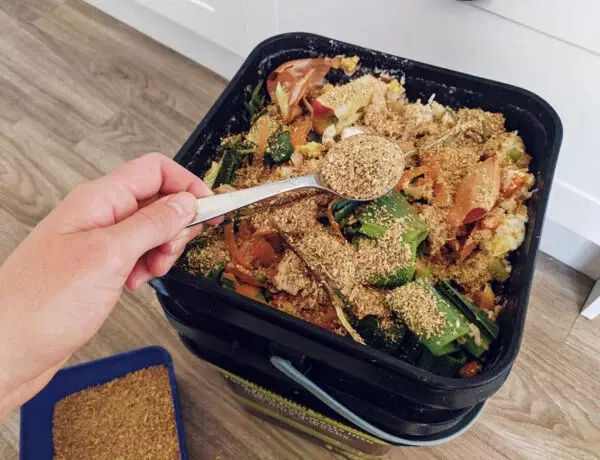
Unlike traditional composting, which requires air (aerobic), Bokashi is anaerobic (no air). You use a specialised airtight bucket and a handful of "Bokashi Zing" (bran infused with beneficial microbes).
Compost everything: Yes, that includes meat, fish, small bones, cheese, and even oily salad dressings.
No smells: Because the bucket is airtight and the microbes ferment the food (a bit like pickling!), it doesn’t rot or smell like a typical bin.
Space saver: The bucket sits right under your kitchen sink. No backyard required.
Liquid gold: The system produces a nutrient-rich 'tea' you can drain off every few days to use as a powerful liquid fertiliser for your indoor plants or veggies.
Step-by-step guide:
Add your scraps: Toss in your meat, bones, shells, and veggie cuttings.
Squash and sprinkle: Press the scraps down to remove air pockets and sprinkle a tablespoon of Bokashi bran over the top.
Seal it tight: Close the lid. The microbes go to work fermenting the waste.
Drain the tea: Every few days, use the tap at the bottom to collect the liquid. Dilute it (1:100) and watch your garden thrive!
Bury the "pickle": Once the bucket is full, let it sit for two weeks. Then, bury the contents in a small hole in your garden. Because it’s already fermented, it will disappear into the soil in about 3 weeks!
Hot tip: Avocado stones and large beef bones are very dense. While they can go in, we recommend smashing them first or giving them extra time to break down once they are buried.
If you have questions about Bokashi and want to speak to one of our team, head over to the Events page and sign-up for one of our free home composting workshops, or email compost@sustainablematamata.org.nz.
Happy composting!


Comments